
Data breaches have become a significant concern for individuals, businesses, and governments alike. The increasing reliance on digital data storage and the proliferation of internet-connected devices have amplified the risks associated with data breaches. These breaches can result in severe consequences, including financial losses, reputational damage, and legal ramifications. This detailed guide aims to elucidate the implications of data breaches, shed light on their causes, and provide insights into preventive measures.
Table of Contents
What is a Data Breach?
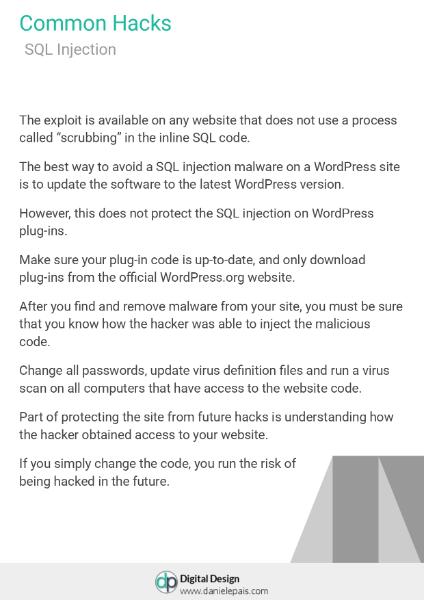
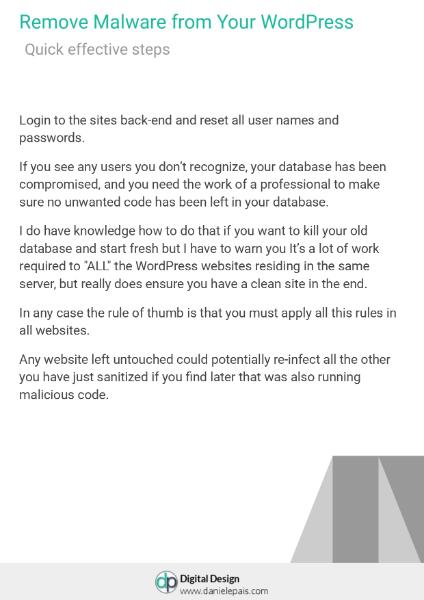
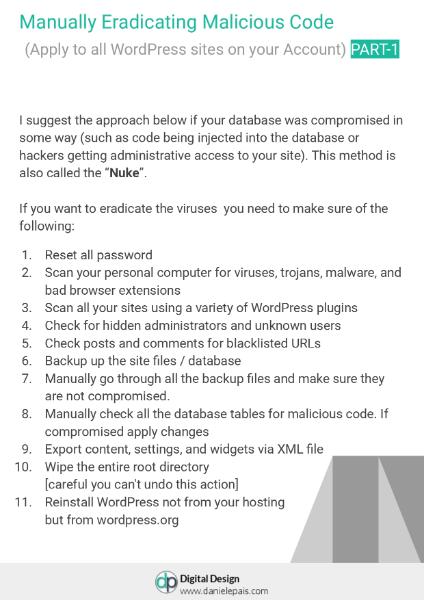
A data breach occurs when unauthorized individuals gain access to confidential information, typically stored on digital platforms. This information can range from personal identification details and financial data to proprietary business information. Data breaches can happen through various means, including hacking, phishing, malware attacks, and even insider threats. The stolen data is often used for fraudulent activities, identity theft, or sold on the dark web.
Causes of Data Breaches
Human Error
One of the leading causes of data breaches is human error. Employees might inadvertently share sensitive information, fall victim to phishing scams, or fail to follow security protocols. Lack of proper training and awareness can exacerbate these issues.
Cyberattacks
Cybercriminals employ various techniques such as hacking, malware, and ransomware to breach data systems. These attacks can be highly sophisticated, targeting vulnerabilities in software or exploiting weak passwords.
Insider Threats
Insider threats involve individuals within an organization who misuse their access to sensitive data. This could be motivated by financial gain, personal grievances, or coercion by external parties.
Physical Theft
Physical theft of devices like laptops, smartphones, or USB drives containing sensitive information is another common cause of data breaches. If these devices are not properly encrypted, the stolen data can be easily accessed.
READ OUR EBOOK ABOUT WORDPRESS SECURITY
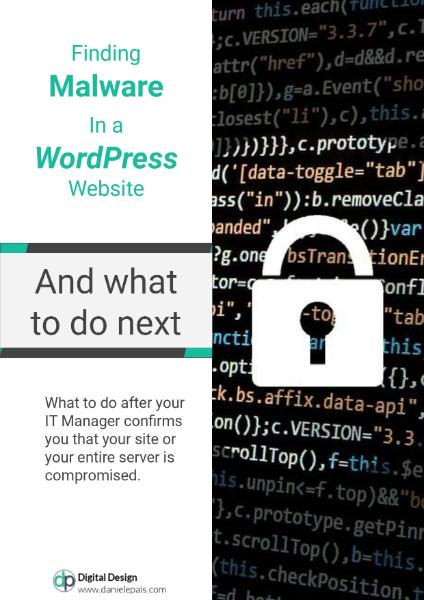
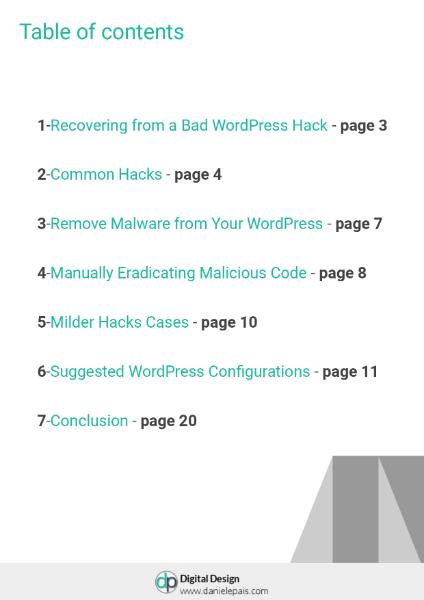
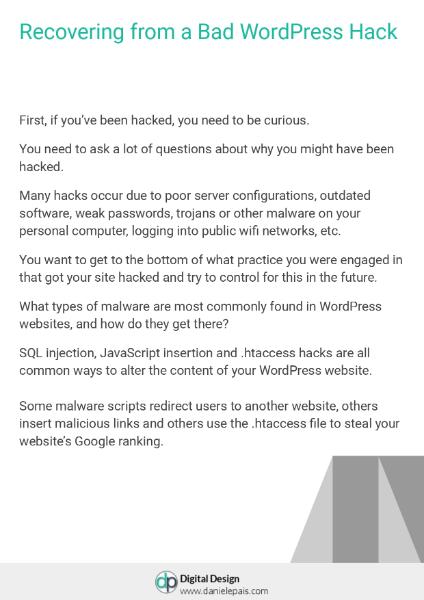



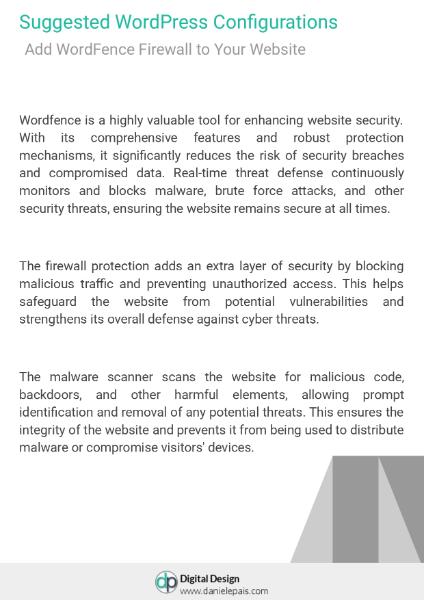

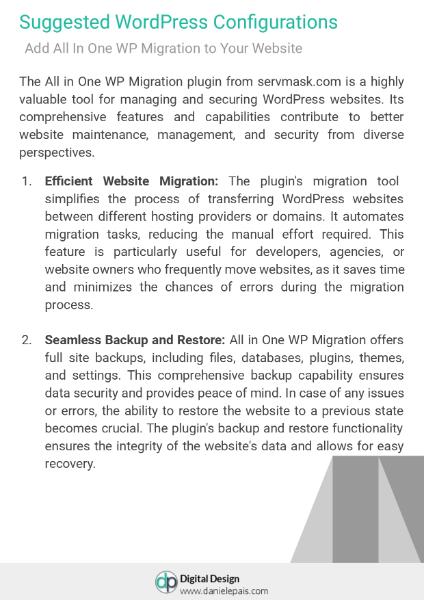
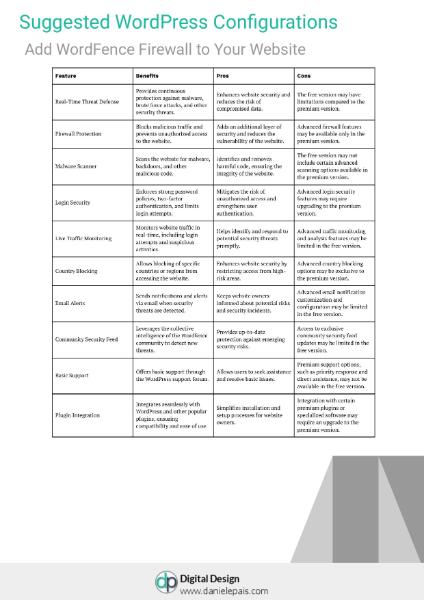
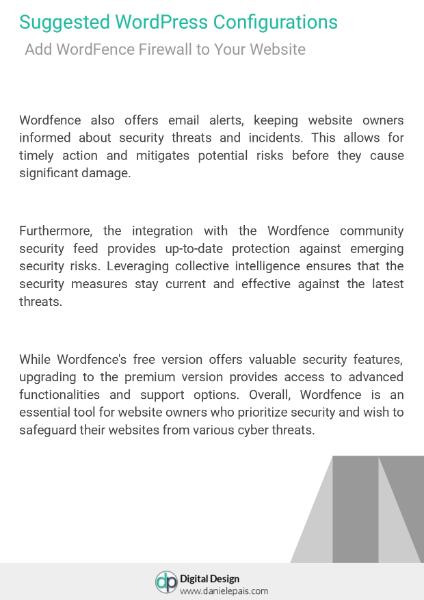




OR DOWNLOAD IT FREE HERE
Implications of Data Breaches
Financial Impact
The financial repercussions of a data breach can be staggering. Organizations may face direct costs such as legal fees, regulatory fines, and compensation to affected individuals. Indirect costs include loss of business, decreased stock value, and increased expenditure on cybersecurity measures.
Reputational Damage
A data breach can severely tarnish an organization’s reputation. Customers may lose trust, leading to a decline in customer retention and acquisition. The negative publicity surrounding a breach can also deter potential business partners and investors.
Legal Consequences
Organizations that suffer data breaches may face legal action from affected individuals and regulatory bodies. Non-compliance with data protection laws such as the General Data Protection Regulation (GDPR) can result in hefty fines and legal battles.
Operational Disruption
Data breaches can disrupt regular business operations. Systems may need to be shut down for investigation and remediation, leading to downtime and loss of productivity. This disruption can have a cascading effect on supply chains and customer services.
Personal Impact
For individuals, data breaches can lead to identity theft, financial loss, and emotional distress. Personal information such as social security numbers, bank account details, and medical records can be exploited for fraudulent activities, causing significant harm to victims.
DIY Password Generator Chrome Extension
Preventive Measures
Employee Training
Organizations should invest in regular cybersecurity training for employees. This training should cover identifying phishing attempts, following security protocols, and reporting suspicious activities. A well-informed workforce can act as the first line of defense against data breaches.
Strong Password Policies
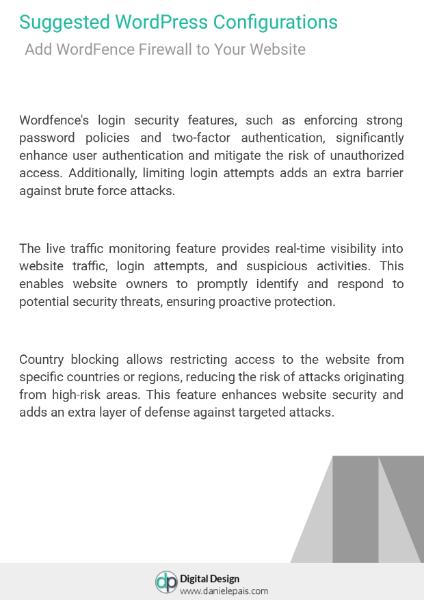
Implementing strong password policies can significantly reduce the risk of data breaches. Employees should be encouraged to use complex passwords and change them regularly. Multi-factor authentication (MFA) adds an extra layer of security by requiring additional verification steps.
Data Encryption
Encrypting sensitive data ensures that even if it is accessed by unauthorized individuals, it remains unreadable. Organizations should use robust encryption methods for data at rest and in transit, protecting it from potential breaches.
Regular Software Updates
Keeping software and systems up to date is crucial for cybersecurity. Software updates often include patches for known vulnerabilities. Regularly updating all systems can prevent cybercriminals from exploiting these weaknesses.
Access Controls
Implementing strict access controls ensures that only authorized personnel can access sensitive information. Role-based access control (RBAC) and the principle of least privilege (PoLP) can limit exposure and reduce the risk of insider threats.
Incident Response Plan
Having a well-defined incident response plan can mitigate the impact of a data breach. This plan should outline the steps to be taken in the event of a breach, including communication protocols, containment measures, and recovery procedures.
FAQs
What should I do if I suspect a data breach?
If you suspect a data breach, immediately report it to your organization’s IT or security team. Follow their instructions, which may include changing passwords, monitoring accounts, and not using compromised devices.
How can I protect my personal information online?
Protecting personal information online involves using strong, unique passwords for different accounts, enabling two-factor authentication, being cautious of phishing scams, and regularly monitoring financial statements for suspicious activity.
Are small businesses at risk of data breaches?
Yes, small businesses are at risk of data breaches. Cybercriminals often target smaller organizations because they may have less robust security measures in place. Small businesses should invest in cybersecurity to protect their data.
What is the role of encryption in preventing data breaches?
Encryption plays a crucial role in preventing data breaches by converting sensitive data into unreadable code. Even if encrypted data is accessed by unauthorized individuals, it remains secure unless decrypted with the correct key.
Can data breaches be completely prevented?
While it is challenging to guarantee complete prevention of data breaches, organizations can significantly reduce the risk by implementing robust cybersecurity measures, employee training, and regular security audits.
What are the legal requirements for reporting data breaches?
Legal requirements for reporting data breaches vary by jurisdiction. In many regions, organizations must notify affected individuals and relevant authorities within a specified timeframe. It is essential to be aware of and comply with local data protection laws.
SUGGESTED EBOOK FREE DOWNLOAD (FROM OUR ARCHIVE OF FREE DOWNLOADS)
Finding Malware In a WordPress Website - And what to do next (96 downloads )

Digital Designer, blog writer and also a tech enthusiast.
He loves to write content for blogs, podcasts, design websites, logos, brochures, banners and anything that sends a message to an audience.
You can contact Daniele at the link below:


