

Opening a new business? Easy isn’t it? Wrong!

Today I’m going to tell you a story that has nothing to do with our chats about how to make a profit by marketing a certain way or what pantone colors are best for a website selling luxury yachts. None of that, rummaging through an old box in the attic, I found yet another box containing notes I wrote almost two decades ago…well yes…I’m not so young anymore…This story I feel like telling because I often get asked the question like.
“How do I go about organizing a startup” or “what do I need to start my business”…or questions like that anyway. So since I found some notes that I myself wrote many moons ago when I did just that…I thought…heck…why not write an article about it that maybe can help someone in their next venture?
So…here it is…relax…today we are not talking about anything overly technical…in fact, just life stories!
Before jumping headlong into the digital world, I spent several years in the restaurant and hotel business, back then digital design was a hobby, which then slowly took shape into a full-time job.
During those years, I went from being a waiter on cruise ships to restaurant manager in hotels such as the Mandarin Oriental Elbow Beach in Bermuda and the Sheraton Four Points in Rome. At that time it was a good way to travel around the world, see new places, meet new people, and frankly make good money too.
Money that then always had to be spent on adventures, travel , luxuries and more travel. In short that was my life back then. During those times I had accumulated a good deal of experience in opening businesses’ for investors and property owners (Restaurants, Bars, Private Clubs). All this led me to have like a portfolio of clients or interested people who would contact me from time to time to propose me to run one of these businesses (in the sense of opening a business).
Today I am going to tell you briefly about one of these “openings” from which I had drawn a kind of “Case Study” that was part of a series of documents I had accumulated to which I had wanted to write a book or e-book but from which, part came lost during one of my countless moves before I even stopped permanently in Thailand and so that project did not see the light of day.
Well now that you know most of my life, let us proceed with the “Case Study.”
The very reason why I have studied this case in details is because it was one of the “complicated” among my previous business setups. In truth all new business opening are “complicated”, but this had proven to be a tough one.
One of those from which you can learn a lot, provided you survive it!
Indeed, I learned so much that it gave me the confidence to successfully help a few more clients to open a business in the following years.
In this case study I will call my client “John” and his wife “Mary”, these are fictitious names, I just don’t like the idea of referring to them as “the client”.
I was introduced to John and Mary by some common acquaintances.
This business was opened in the year 2005; John & Mary have sold it three years later as they opted for a real estate investment and they are no longer in Chiang Mai.
Let’s get into the details:
Table of Contents
Opening a New Business: The Need
I was asked by John to help him to open up a small pizza shop in Chiang Mai.
Opening a New Business: The Budget
The initial investment for this new venture was Baht 2,000.000. My instructions were that I could not go over that amount of money as john had a limited budget.
Opening a New Business: Initial Analysis
On my first meeting with John I gathered the following key information:
-
John was a foreigner and wanted to establish a business in Thailand that eventually would provide a sort of sustainment for his future stay. He had a Thai spouse, (Mary), which would sporadically work with him on this new business. Mary had never worked in the Catering industry before while John had already had experience when he was a student at College, however this was in a cocktail bar and it was many years ago, moreover, neither had ever setup their own business. Mary would provide about 30% of the sum.
-
John & Mary would like to have their shop in the center, possibly along the main streets of the old city so that they could cater for the many tourists visiting Chiang Mai and that spend their holidays in the nearby guesthouses.
-
Mary was a Thai national; she had a steady income as she was currently employed with a non-managerial role in a local bank. John was currently living in Thailand with a Visa that allowed him to stay in the country for an extended period of time, he was not employed, and his income was currently based on savings from his main bank account in the UK.
-
John lacked in computer skills, Mary had knowledge of Microsoft office but had never used Excel to create her own formulas nor could be able to create a profit and loss spreadsheet.
-
Both of them wanted to start as soon as possible.
-
John and Mary lived in UK for 2 years prior to move to Chiang Mai, at the time John was employed in a national retail chain as a merchandiser.
-
Despite their attempts, Mary did not succeed on finding a steady job while in the UK. Mary did miss her family and country up to the point that the two decided to move back to Thailand. Chiang Mai was their choice as the village where Mary was from was not appealing to John.
I then spent some time with John & Mary explaining my previous work experiences and how I could help them in establishing their business in Chiang Mai. In order to simplify their understanding of my services I had divided my duties in phases:
PHASE ONE:
Gathering all the data:
I will work on what furniture and equipment is required for the business, what menu, how many staff are required and so on. I can then start producing my spreadsheet and make precise forecast and predictions for the future 6 months, / 1 year onward.
PHASE TWO:
On this phase I would spend most of my time investigating and sourcing the market for locations, then, once a final candidate place is chosen, I would start ordering and installing, equipment, furniture, stock and anything else that was required for the business to operate.
PHASE THREE:
In this phase I would dedicate all my time and expertise to advertise the new business “opening soon” via the social media accounts and the web site I would create. This phase would have played a great role also because I would have to interview, select, employ and finally train all the staff that would eventually work on site.
After discussing this and many other details, John and Mary liked what they heard from me and we draw a basic contract that stated what my services were and how they would pay me. I had divided the payments in three thirds.
For the first payment I asked them an initial sum of money as to seal the deal so that I could start spending my time working for them. The second payment would have been on Phase 1 completion and the third payment once the Phase three would be successfully carried out.
Obstacles
After careful revising my notes I had identified an issue that had to be resolved prior to go forward with the planning. The issue concerned John and his work permit. Despite him being married to a Thai National, John needed to apply for a Working Permit in order to be allowed to work on his Pizzeria.
Resolution
The easiest way for them to operate a business would have been to legally open the business on Mary’s name and then have her to employ John as the main Pizza Chef.
The go Ahead
On my second meeting I had the official go ahead to start the process of investigating and business planning. John & Mary were happy to pay my initial fee on the spot.
PHASE 1
Phase one was dived in 3 main sections.
Unfortunately the situation between John & Mary was worsening a bit. I could see that their views about the business were quite different and it was difficult to deal with both of them, (or at least make them both happy).
Despite this, and the fact that in a few occasions I had witnessed some sort of argument carried out between them, I proceeded with the best of the intents and tried to remain neutral to their “internal affairs”.
Section 1 – Menu Planning
Mary was absent for reasons that had to do with family matters, John provided me with his ideas of the menu and I gave him my opinion, together we come out with the final draw. John toke some time off to join Mary in her parent’s village so I started sourcing suppliers for availability and checked competitors and prices, also proceeded preparing my spreadsheets with food and labor costs profit and loss forecasts predictions for a time spanning from the opening until the next year.
Section 2 – Fixtures, Furniture and Equipment Selection
Now that we knew the menu I had a clear idea of what sort of equipment I needed, how the ideal shop would have been in terms of layout and what furniture was required.
As we did not have a location yet I kept this to a general approach just to give them a clear idea. Most of the final decisions on the layout and furniture can only be made once a location has been found and we would have a certainty of the space available and measurements. So for this section I mostly worked on investigating the market, trying to find good quality second hand equipment and gathering prices of new one from competitive sellers.
This was an extensive job, some of the equipment and machinery they required could only be sourced abroad, or else, I did find a small firm in Bangkok that was importing the Pizza Oven directly from Italy but it was at a remarkable premium price.
Section 3 – Business Plan Refinements
This section was about reviewing and balancing our forecasted requirements with actual prices in figures and then comparing it against our budget.
I knew we would eventually go over the budget by adding details and extra requirements in the planning, so the need for this section was paramount. Indeed we had to cut some expenses almost in every department.
PHASE 2
Phase two was dived in 4 sections. Most of the planning was now done, we knew what sort of business and what the price for starting the business would have been, it was time to implement our strategies.
Section 1 – The Location
This part of the investigation did require lots of time searching through web sites, classifieds, contacting landlords and also going personally in places for viewing.
– Major facts to consider:
Demographic analysis played a very important role at this stage as to establish details that eventually will be key of success. There was a great amount of data to sort of out, what type of people lived in the surroundings, what age they were, their income, social lifestyle, were there any schools, government offices, private sector agencies and offices and so on. One very important part of the demographic analysis that I conduct involved a search for complaints made by other business in the neighbors for issues related to water, electricity, public drainage etc.
This last one also involved enquires at the land departments for neighbor businesses reconstructions permits or major road constructions works that might have affected the area were we had our main focus. Missing a detail like this could have led to loss of income and even potentially to run out of business in the unfortunate event that the street where our business was going to be located would have closed to the pedestrians or to the traffic for reasons that we could have ignored.
Repaving sidewalks, upgrades to drainage infrastructure and complete refurbishment of entire buildings can suddenly start and are a common fact, (this sort of works carried out in Thailand can start without notice to the public and can last for weeks or even months).
Section 2 – Assessment of Existing Business
Once a potential location was identified and an inspection in person was carried out by myself first and John & Mary secondly, I proceed assessing the building.
Again this is a delicate portion of the Phase 2 as it is imperative to collect as much data as possible:
Among the many details this assessment included:
-
Physical inspection of the building, photograph of all the rooms and evidence of any issues such as electrical, gas, water, front and back doors.
-
Check Utilities contracts for unpaid bills,
-
Length of the lease, deposit, modality of payments.
-
What furniture and fixture and equipment could be reused, (in this case the furniture in place was useless for our purpose).
Section 3 – Implementation
An agreement with the Landlord was finally reached, signed a contract and a deposit had been paid.
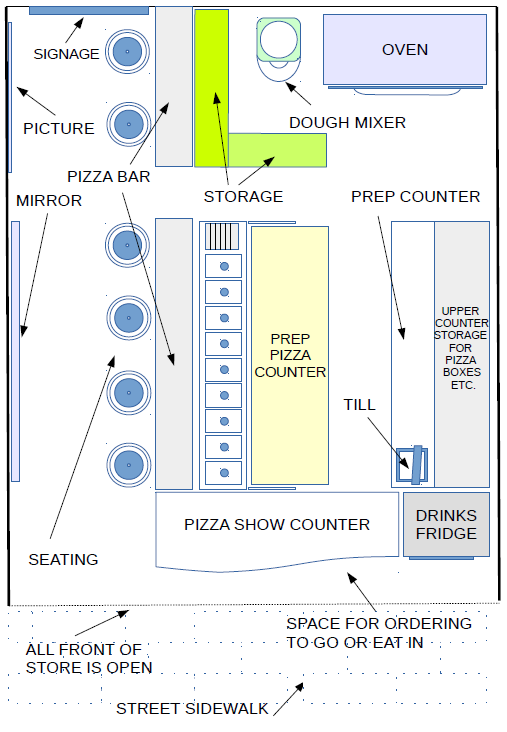
I started assessing what type of furniture and equipment was required as we could now plan with the blueprints and real measurements we had.
I could now decide where things would be located and double check against the numbers given by the suppliers that every piece of furniture would actually fit in place.
This part was incredibly time consuming, occasionally issues would arise when at the last minute something unplanned such as an Ice cream machine was required and new budgeting, menu cost and so on had to be implemented, additionally John & Mary seemed to have different ideas on the look and design, particularly at this stage they were not considering the budget we had and kept adding features and equipment that was not previously discussed and agreed upon.
I consistently found myself reminding them to stick with the assessment plans as adding new features and furniture would have eventually a surprise price tag and lots of extra work in terms of planning and forecasting that was not in our plans.
PHASE 3
Phase three was dived in 4 main sections.
This is where I would start advertising the new business via the local classifieds, magazines, social networks, email newsletter campaign; all this after the design of the logo and web site would have been completed. Training and opening would follow.
Section 1 – Logo & Branding, Domain Registration, Web Hosting Provider, Web Design
John & Mary had a few ideas for the logo, so I did a few mockups until we found something that pleased both. Once the logo was ready I started the process of registering a domain, finding a web hosting and of course designing a web site. While I was taking care of the media and digital side of the business I still had to take my time and come on site to check the works as we had a building construction company doing electrical, plumbing and other general constructions works. The place was starting to look real good and John & Mary were feeling a bit more relaxed now that they could see their dream getting real. Finally, after carefully revising many software and hardware bundles I had found a POS system that was competitive in price yet quite comprehensive.
Section 2 – Apply Image and Branding
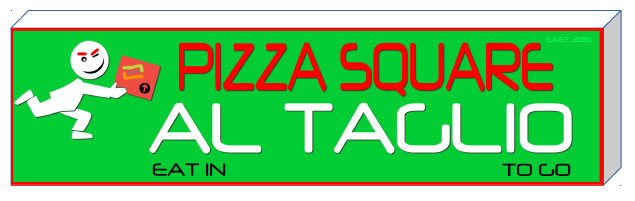
After designing the logo I started producing all the stationary, menu, signage and other items such as the uniforms with the logos and branding. This involved searching the right printer company, have a few trials with uniforms from different makers until the proper supplier was chosen.
Section 3 – Staff Employment & Training
Another great milestone, answering all the calls for interviews, organizing two open days where candidates would show from 10am till 6pm, revising, checking against curriculum data and finally selecting the right one.
A team was formed and a date of start was chosen, we now had to start selling those Pizzas.
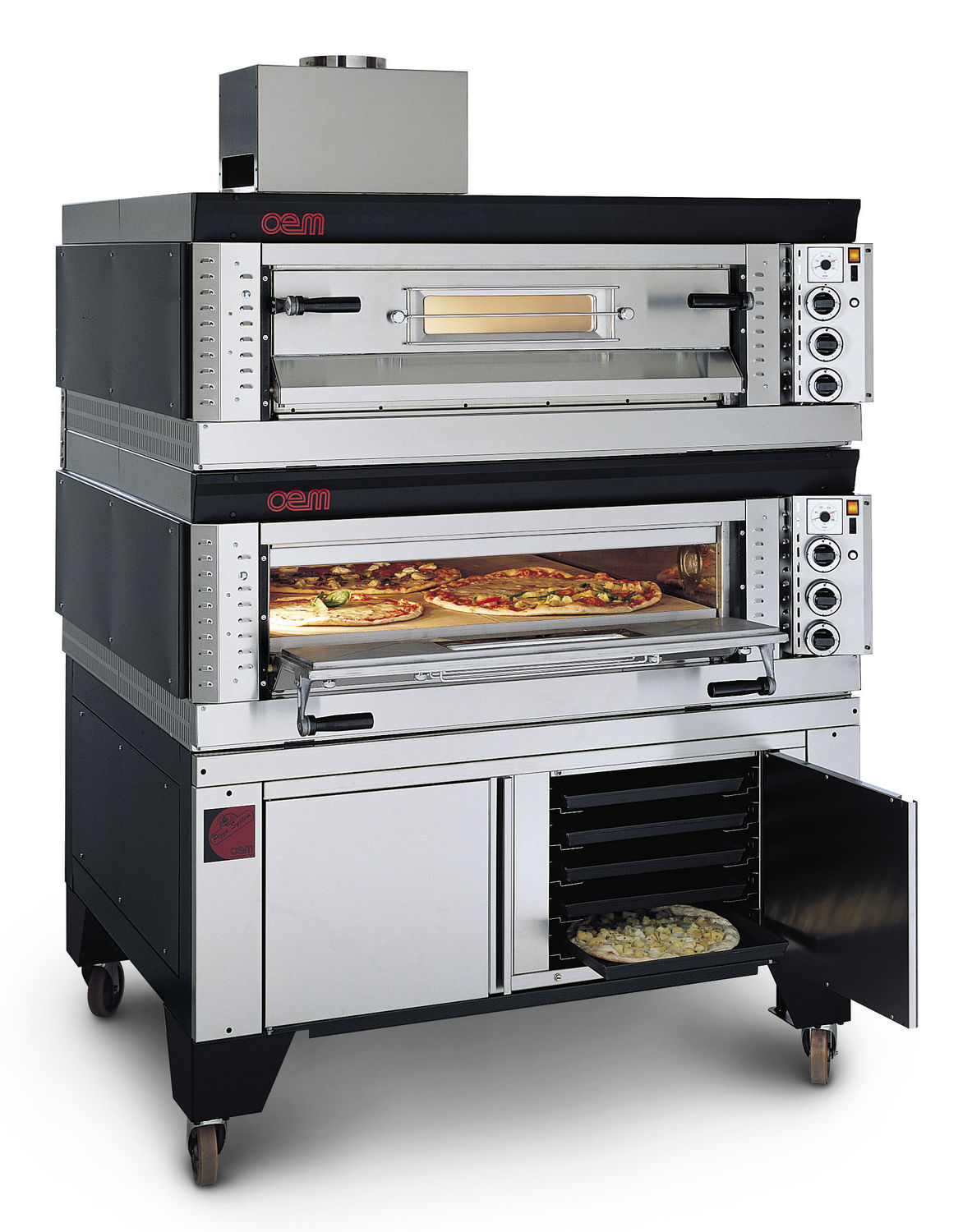
For the next week we spent most of the time in training trying out the new oven…and John to make pizzas. It was challenging, I basically eat pizza at Breakfast, Lunch and Dinner for days and days to come.
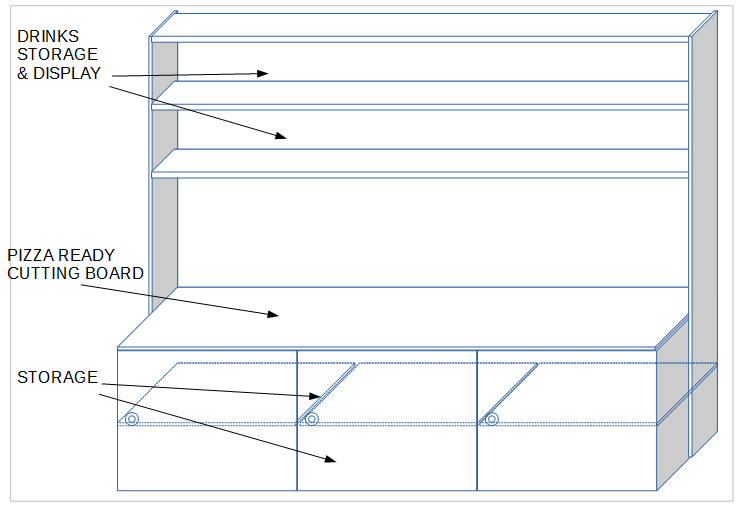
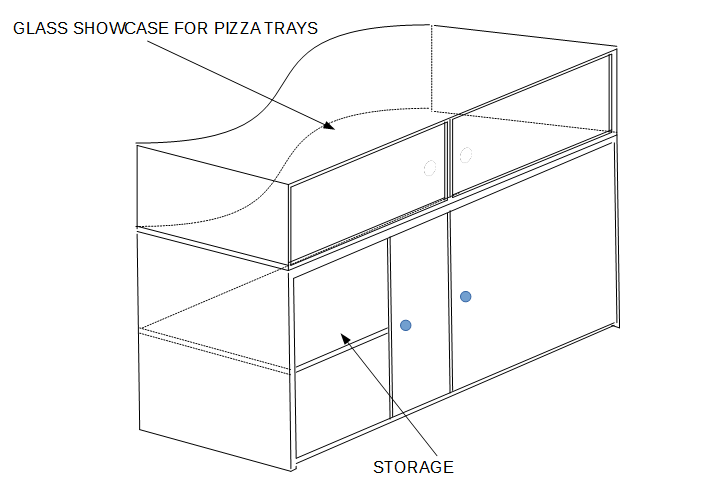
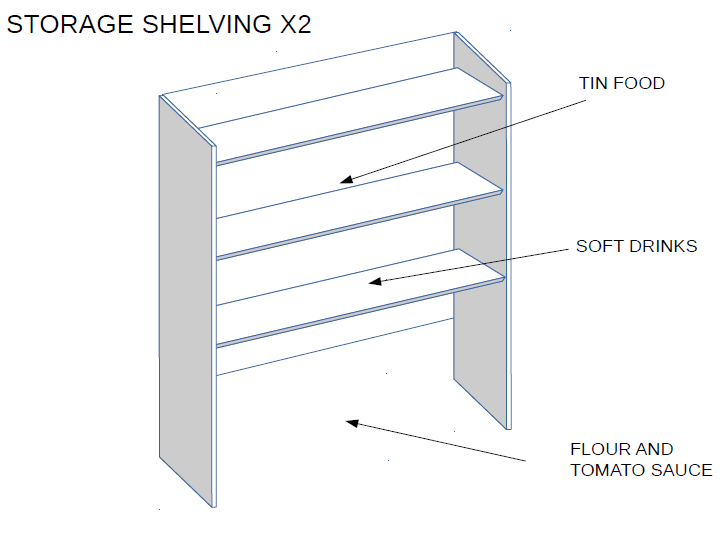
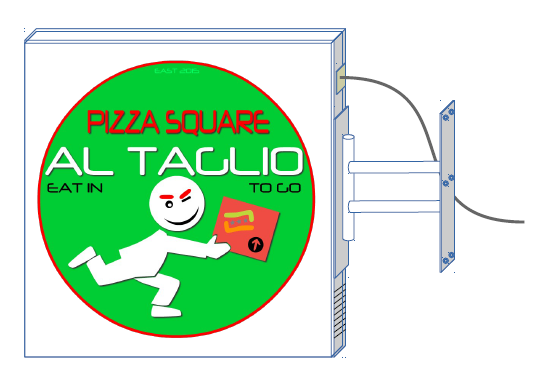
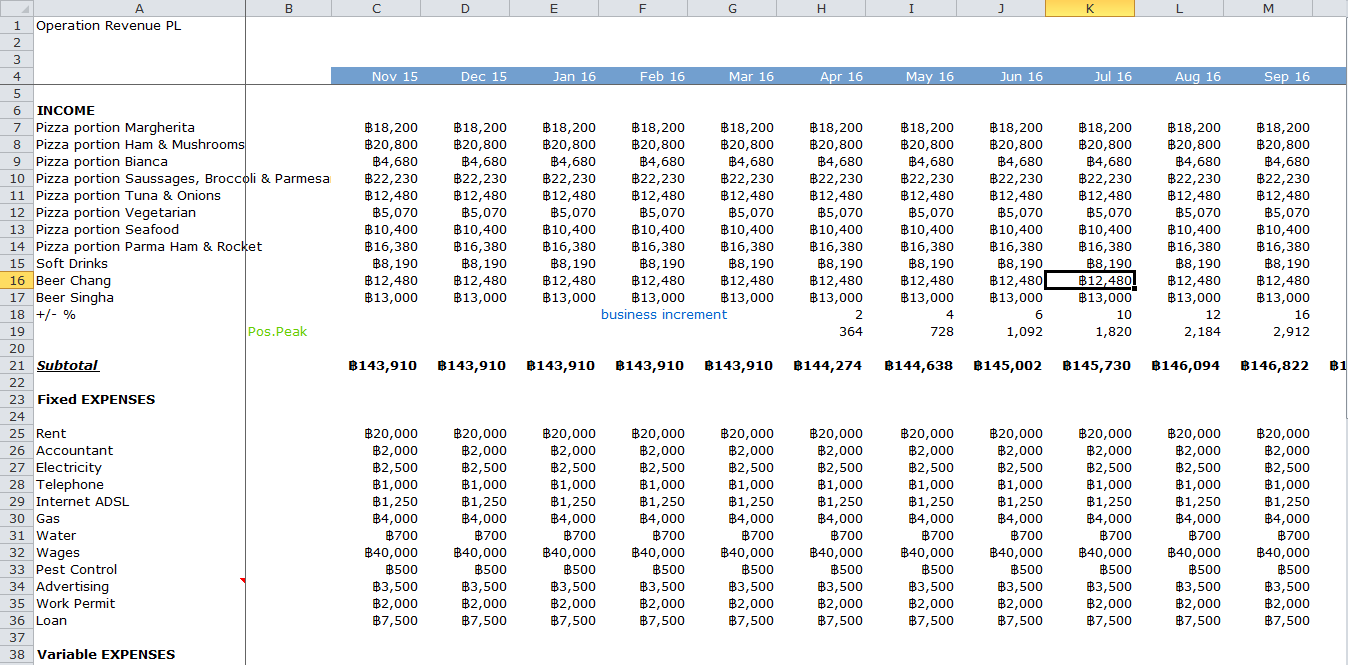
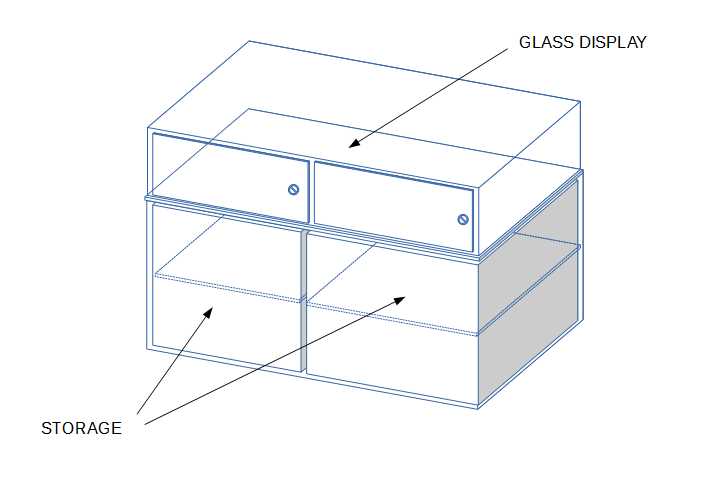
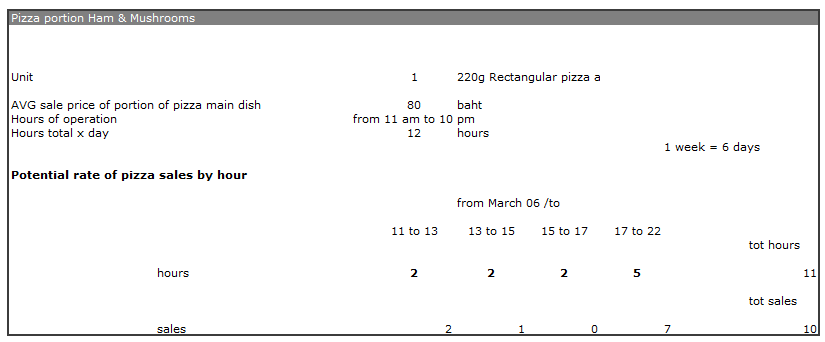
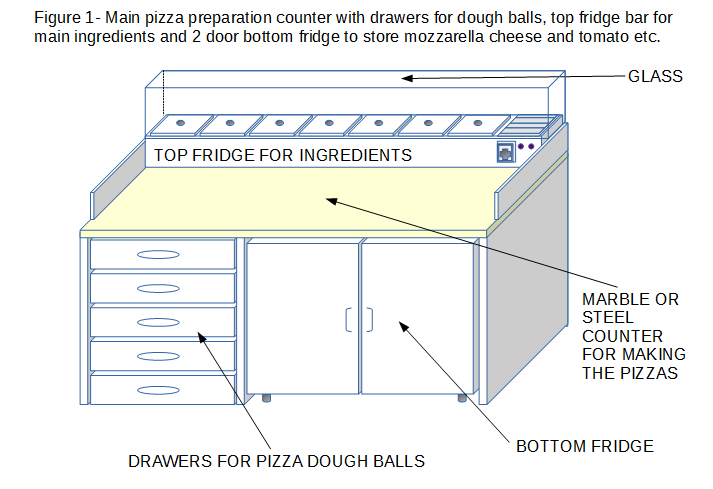
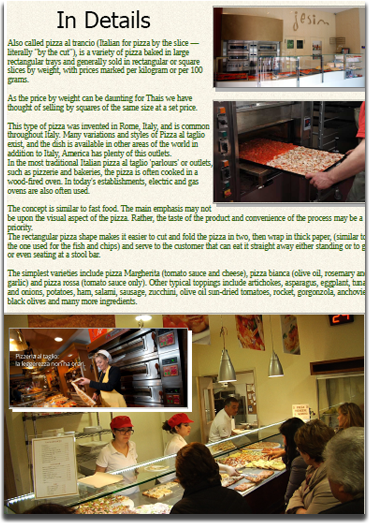
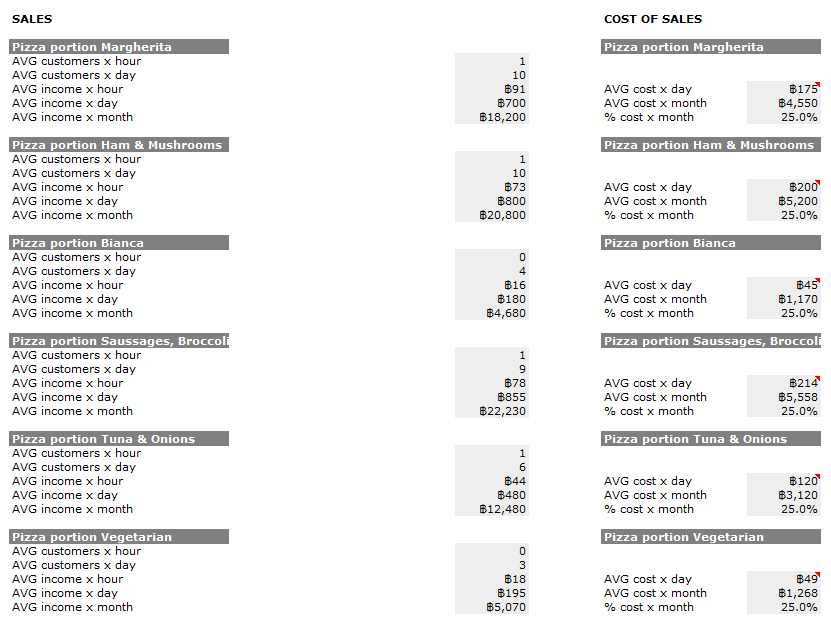
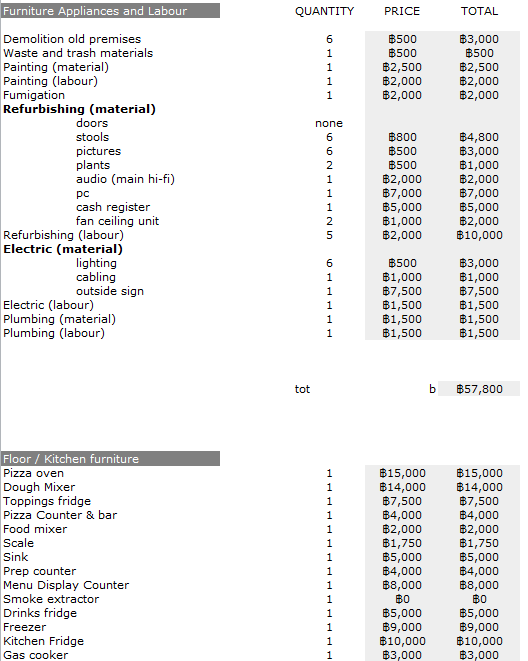
A SAMPLE OF THE ORIGINAL DOCUMENTATION
Section 4 – Grand Opening
A grand opening is an exciting day, no matter how big or small is the business, everyone was ready and everything was in place.
John was now confident in making is own pizza, overall he had trained for over three weeks, as for technical reasons we had to delay the opening a bit.
So what could have gone wrong..?
Well, how about the electricity cut off right in the middle of the action? Wait; let me tell you that the average temperature here in Thailand is on the 30’s + C, plus a pizza oven burning fire at 450C than you makes your own judgment.
Not to mention the havoc this created when all in one sudden we did not have any of the information for the customers’ orders as that was stored in the POS system. No matter how I tried disconnecting the air conditioning units and even one of the drinks fridges, my guesses became a nightmare of a reality, as I found out later, the electrician we had contracted did not properly calculated the amount of KW all our units needed and the system he implemented was not making it at all, unfortunately some of the fuses went busted and we did not have a mean to reconnect them our self.
The rest of the evening was spent with an improvised cooling system I managed to organize. Basically, fans towers purchased at Tesco. Yes, that’s right. Once I realized that there was no way to fix the electricity, I had to send a few of the staff to purchase the fans that we would run by borrowing the electricity from the lady next door, who took great pity on us and offered to help. Another member of the team was sent to buy candles in a local street market. This last one turned out to be some massive vanilla candles that cost an arm and a leg, but hey, it was not the right time to complain about spending. I had to get the show up and running as best I could.
Thankfully our oven was gas operated..!
From a customer perspective it was not actually that bad of a night overall, a part for the very first instant when there was a slight general panicking, the atmosphere was now more relaxed, the fans were ugly to see but effective in blowing the hot air away from the main room and the vanilla scented candles did something awesome to the all look and feel of the night. I kept being everywhere and visiting the tables to see that all the food and drinks were delivered and to offer a smile and word to our patrons, to my surprise their mood was up to the sky, they liked the candle light, and it seemed as if I was the only one caring to see those ugly yellow and blue fan towers.
CONCLUSIONS
What did I learn from this startup?
The learning curve was immense; I can’t even quantify it all. Every single aspect of the process was planned but then something else would have happened to change factors and rewrite the rules.
I will list below the top three new rules I had implemented to my new System of how to organize a startup.
-
The importance of running a background check on your general contractors, see what else they have built, analyze their portfolios, visit the places they have claimed to have built and see for yourself if this is the way you would like your place to be built.
Contractors are the one who will build your dream business, if they don’t do it right you will have disappointing times ahead.
The most economic might not be the best one as you save on one side of the business but you might end up losing somewhere else. -
Be prepared for the unknown.
Just because we have successfully completed all the main phases prior to the opening it doesn’t mean that we are a success as soon as we open. Things might not go the exact way we had planned, a little inconvenient or a last minute issue might become your next nightmare and compromise the all operation. -
Always try out the system you have implemented, invite friends and family, free of charge, prior to the opening, and run the business as it was normal routine. This will give a chance to everyone to familiarize with the new system, to make mistakes and to correct them and ultimately will allow everyone to gain confidence in the business its products and its people.
A lesson learned
I have since then opened a few more places and always made sure I don’t follow in the trap of running too fast for the opening day, handling the pressure I have from a business owner is an additional challenge that I am ready to take if this is vital for a safe and smooth opening.

Digital Designer, blog writer and also a tech enthusiast.
He loves to write content for blogs, podcasts, design websites, logos, brochures, banners and anything that sends a message to an audience.
You can contact Daniele at the link below:

